 +91-70006-33774
  info@drbhupeshmahawar.com
 Sector G, Scheme No. 54, Vijay Nagar, Indore(M.P.)
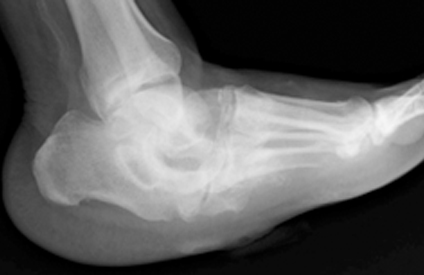
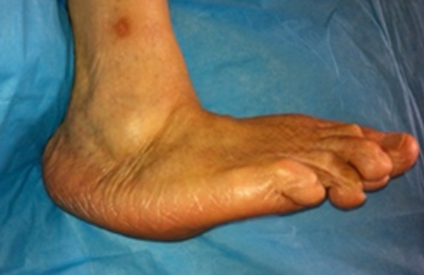
Charcot Foot
Charcot foot is a progressive, destructive condition affecting the bones, joints, and soft tissues of the foot and ankle in people with neuropathy (nerve damage). It leads to bone weakening, fractures, joint dislocation, and deformity, often without the patient feeling pain due to sensory loss. It is a limb-threatening condition if not recognized and treated early.
Causes:
Charcot foot develops due to peripheral neuropathy, where the loss of protective sensation allows repetitive trauma to go unnoticed.
1. Common Underlying Causes:
(a.) Diabetes mellitus (most common cause — 80–90% of cases)
(b.) Peripheral neuropathy from:
-Chronic alcoholism
-Leprosy
-Syringomyelia
-Spinal cord injury
-Syphilis (tabes dorsalis)
-Poliomyelitis
-Congenital insensitivity to pain
2. Symptoms:
(a.) Early (Acute Stage):
- Immobilization (mainstay):
-Minimal or no pain, despite significant injury.
-Increased skin temperature (2°C warmer than opposite foot).
-Soft tissue swelling and mild deformity.
3. Treatment:
(a.) Non-Surgical (Conservative) Management:
1. Immobilization (mainstay):
(a.)Total contact cast (TCC) or removable walking boot to offload and protect the foot.
(b.) Continue until swelling, redness, and temperature difference subside (may take 3–6 months).
2. Off-loading:
(a.) Avoid weight-bearing or use crutches/wheelchair in acute stage.
(b.) Transition to specialized orthopedic footwear or Charcot restraint orthotic walker during recovery.
3. Control underlying cause:
(a.) Strict blood glucose control in diabetics.
(b.) Treat neuropathy and improve circulation if possible.
4. Monitor for ulcers or infection:
(a.) Regular wound checks and pressure relief.
(b.) Surgical Treatment:
1. Common procedures:
(a.) Exostectomy: Removal of bony prominences causing ulcers.
(b.) Arthrodesis (fusion): Stabilizes collapsed joints.
(c.) Osteotomy / internal fixation: Reconstructs foot alignment.
(d.) Amputation: In advanced cases with infection or non-reconstruct able deformity.

 Emergency No. : (+91) 74899-02258