 +91-70006-33774
  info@drbhupeshmahawar.com
 Sector G, Scheme No. 54, Vijay Nagar, Indore(M.P.)
Crush Foot Injury
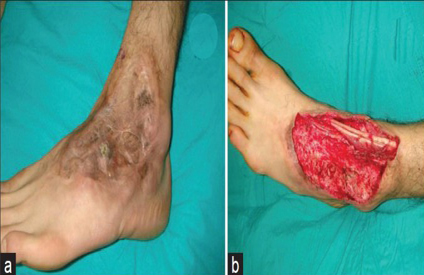
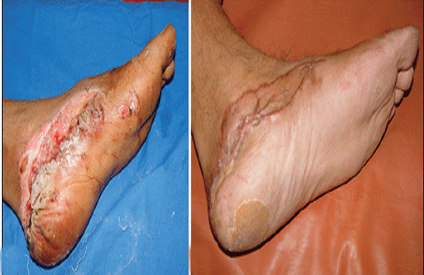
A crush foot injury occurs when the foot is subjected to a high-compression force—often between a heavy object and a hard surface—causing damage to skin, soft tissue, muscles, bones, and neurovascular structures. These are serious trauma cases that can threaten both limb viability and life, depending on severity.
Causes:
Crush injuries to the foot usually result from high-energy trauma, such as:
- Industrial or workplace accidents: Machinery, heavy equipment, forklifts, or falling objects.
- Motor vehicle accidents: Foot trapped under or within a vehicle.
- Falling heavy objects: Tools, construction materials, or loads impacting the foot.
- Natural disasters: Earthquakes or building collapses.
- Sports or military injuries: Heavy weights or impacts.
Symptoms:
- Intense pain and swelling of the foot.
- Bruising, blisters, or open wounds.
- Deformity (if bones are fractured or dislocated).
- Loss of sensation or movement (nerve injury).
- Pale, cold foot (vascular compromise).
- Severe swelling may indicate compartment syndrome.
- Systemic signs (in severe cases): Shock, myoglobinuria, dark urine, acute renal failure (part of crush syndrome).
Treatment:
Treatment depends on severity — from first aid to major reconstructive surgery.
- Stop the crushing force safely.
- Control bleeding and cover wounds with sterile dressing.
- Elevate the limb to reduce swelling (if no vascular compromise).
- Pain control: IV analgesics.
- Monitor for shock — start IV fluids early.
- Tetanus prophylaxis and broad-spectrum antibiotics (open wounds).
Definitive Treatment
1. Wound care:
(a.) Debridement (removal of dead tissue).
(b.) Repeated cleaning and dressing changes.
(c.) Negative-pressure wound therapy (VAC dressing) may be used.
2. Fracture management:
(a.) Closed or open reduction with fixation (plates, screws, or external fixator).
(b.) Stabilization aids healing and reduces pain.
3. Compartment syndrome:
(a.) Emergency fasciotomy (surgical release of pressure).
4. Compartment syndrome:
(a.) Revascularization or grafting if arteries are injured.
5. Amputation:
(a.) In cases of non-viable tissue, severe infection, or irreparable vascular damage.
6. Rehabilitation:
(a.) Physiotherapy for strength and mobility.
(b.) Custom orthotics or prosthetics (if partial foot loss).
(c.) Psychological support for trauma recovery.

 Emergency No. : (+91) 74899-02258