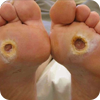
A diabetic foot ulcer (DFU) is a chronic, open wound on the foot or lower leg that can develop in people with diabetes, often due to a combination of poor circulation and nerve damage (neuropathy).

Chronic ankle instability occurs when the ATFL ligament is repeatedly injured and fails to heal properly. Early physiotherapy and bracing help, while surgery is reserved for persistent cases.
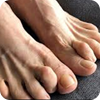
Claw and hammer toes develop due to imbalance of muscles, ill-fitting shoes, or underlying conditions like arthritis or diabetes. Early use of proper footwear, exercises,while surgery may be needed in advanced cases.
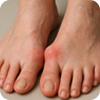
Hallux valgus, commonly known as a bunion, is a foot deformity where the big toe turns inward (medially) and the joint at its base protrudes outward, forming a bony bump
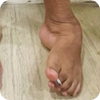
Early treatment is crucial so to achieve optimal results and to prevent long term complications. A qualified orthopedic surgeon can provide personalized advice and treatment options
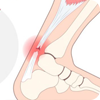
The Achilles tendon (calcaneal tendon) is the largest and strongest tendon in the body, connecting the gastrocnemius and soleus muscles to the calcaneus (heel bone).
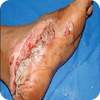
A crush foot injury occurs when the foot is subjected to a high-compression force—often between a heavy object and a hard surface—causing damage to skin, soft tissue, muscles, bones, and neurovascular structures.
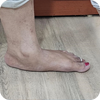
Flat foot (also known as fallen arches) is a condition where the arch of the foot collapses, and the entire sole touches or nearly touches the ground when standing. It can occur in one or both feet.
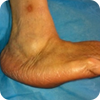
Charcot foot is a progressive, destructive condition affecting the bones, joints, and soft tissues of the foot and ankle in people with neuropathy (nerve damage). It leads to bone weakening, fractures,
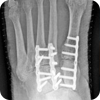
A Lisfranc injury refers to damage to the tarsometatarsal (TMT) joint complex — where the metatarsal bones meet the tarsal bones (mainly the cuneiforms and cuboid) in the midfoot.
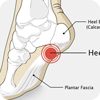
A calcaneal spur is a bony outgrowth (osteophyte) that develops on the underside (plantar surface) or back (posterior surface) of the calcaneus (heel bone). It often forms where the plantar

Inflammation or degeneration of the plantar fascia, a thick band of tissue connecting the heel bone (calcaneus) to the toes. Leads to heel pain, especially with the first steps in the morning.
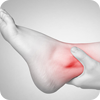
Foot and ankle tendon injuries involve damage to the tendons that connect muscles to bones and help control foot and ankle movement. These injuries can range from inflammation

We understand that injuries and acute pain can unexpectedly. Our emergency physiotherapy.

We understand that injuries and acute pain can unexpectedly.

We understand that injuries and acute pain can unexpectedly.

We understand that injuries and acute pain can unexpectedly.

We understand that injuries and acute pain can unexpectedly.

We understand that injuries and acute pain can unexpectedly.

We understand that injuries and acute pain can unexpectedly.

 Emergency No. : (+91) 74899-02258
For any additional inqueries : info@drbhupeshmahawar.com
Book Appointment: (+91)70006-33774
Working Hourse : Mon to Fri : 10:00 To 6:00
Emergency No. : (+91) 74899-02258
For any additional inqueries : info@drbhupeshmahawar.com
Book Appointment: (+91)70006-33774
Working Hourse : Mon to Fri : 10:00 To 6:00
Emergency No. : (+91) 74899-02258
For any additional inqueries : info@drbhupeshmahawar.com
Book Appointment: (+91)70006-33774
Working Hourse : Mon to Fri : 10:00 To 6:00
Emergency No. : (+91) 74899-02258
For any additional inqueries : info@drbhupeshmahawar.com
Book Appointment: (+91)70006-33774
Working Hourse : Mon to Fri : 10:00 To 6:00
 +91-70006-33774
  info@drbhupeshmahawar.com
 Sector G, Scheme No. 54, Vijay Nagar, Indore(M.P.)