 +91-70006-33774
  info@drbhupeshmahawar.com
 Sector G, Scheme No. 54, Vijay Nagar, Indore(M.P.)
Claw & Hammer Toes
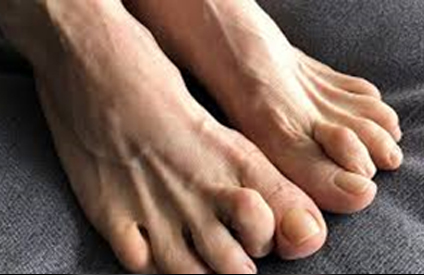
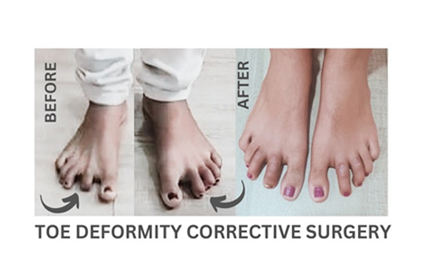
Claw and hammer toes develop due to imbalance of muscles, ill-fitting shoes, or underlying conditions like arthritis or diabetes. Early use of proper footwear, exercises, and orthotics can help, while surgery may be needed in advanced cases.
Causes
- Muscle imbalance in the foot (tight flexor muscles overpower weaker extensors).
- Wearing tight or ill-fitting shoes (especially high heels or narrow shoes).
- Injury or trauma to toes.
- Neurological conditions (diabetes, stroke).
- Arthritis (rheumatoid or osteoarthritis).
- Genetic predisposition and flat feet or high arches.
Symptoms
- Toes bent abnormally at the middle joint (hammer toe) or both joints (claw toe).
- Pain or discomfort while walking, especially in shoes.
- Corns and calluses on the top or tip of toes due to friction.
- Redness, swelling, and stiffness in the affected toes.
- In severe cases, open sores or ulcers (especially in diabetics).
- Difficulty straightening toes even when not wearing shoes.
Treatments
Conservative Management:
- Proper footwear: wide toe box, low heels, soft insoles.
- Toe exercises: stretching, picking objects with toes, towel curls.
- Splints or pads: to keep toes in correct position.
- Orthotics: custom shoe inserts to correct imbalance.
- Pain management: anti-inflammatory medicines, ice packs.
Surgical Treatment (if severe or persistent):
- Tendon release or lengthening to relieve tightness.
- Joint fusion or resection to correct deformity.
- Implants or fixation devices to stabilize toe alignment.

 Emergency No. : (+91) 74899-02258