 +91-70006-33774
  info@drbhupeshmahawar.com
 Sector G, Scheme No. 54, Vijay Nagar, Indore(M.P.)
Plantar Fasciitis
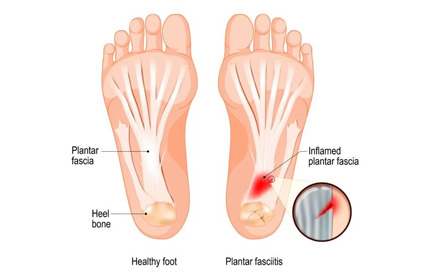
Inflammation or degeneration of the plantar fascia, a thick band of tissue connecting the heel bone (calcaneus) to the toes. Leads to heel pain, especially with the first steps in the morning.
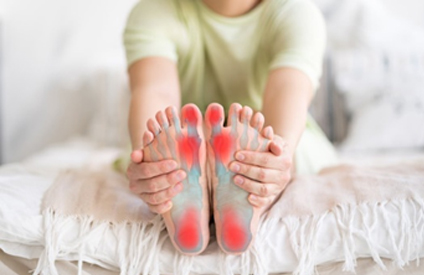
Causes:
- Overuse or repetitive strain from running, jumping, or prolonged standing.
- Improper footwear (flat, hard, or unsupportive shoes).
- Foot deformities – flat feet, high arches, or overpronation.
- Tight Achilles tendon or calf muscles increasing tension on the fascia.
- Obesity or sudden weight gain.
- Occupational stress (standing on hard surfaces for long hours).
- Age-related wear – most common between ages 40–60.
- Sudden increase in activity or poor training techniques.
Symptoms
- Sharp, stabbing heel pain, usually at the inner side of the heel.
- Morning pain – worse with first steps after rest.
- Pain after long standing or walking.
- Tenderness at the heel (medial calcaneal area).
- Pain decreases after light activity but worsens later in the day.
- Tightness in the sole or calf muscles.
- Usually no visible swelling or redness.
Treatment:
A. Conservative (first-line):
- Rest and activity modification – avoid running, jumping, or prolonged standing.
- Ice application – 15–20 min, 2–3 times/day.
- Stretching exercises – plantar fascia and calf stretches daily.
- Supportive footwear with cushioning and arch support.
- Heel pads or orthotic insoles to reduce pressure.
- NSAIDs (e.g., ibuprofen, naproxen) for pain and inflammation.
- Night splints to keep the fascia stretched overnight.
- Physical therapy – strengthening foot and calf muscles.
- Weight loss to reduce heel strain.
B. Advanced options (if persistent):
- Corticosteroid injection – short-term relief (use cautiously).
- Extracorporeal shock wave therapy (ESWT).
- Platelet-rich plasma (PRP) therapy for chronic cases.
C. Surgical (rare):
- Partial plantar fascia release if symptoms persist >6–12 months
- Heel spur excision only if necessary.

 Emergency No. : (+91) 74899-02258